
How Do You Safely Hire a Stair Climber for Your Workplace?
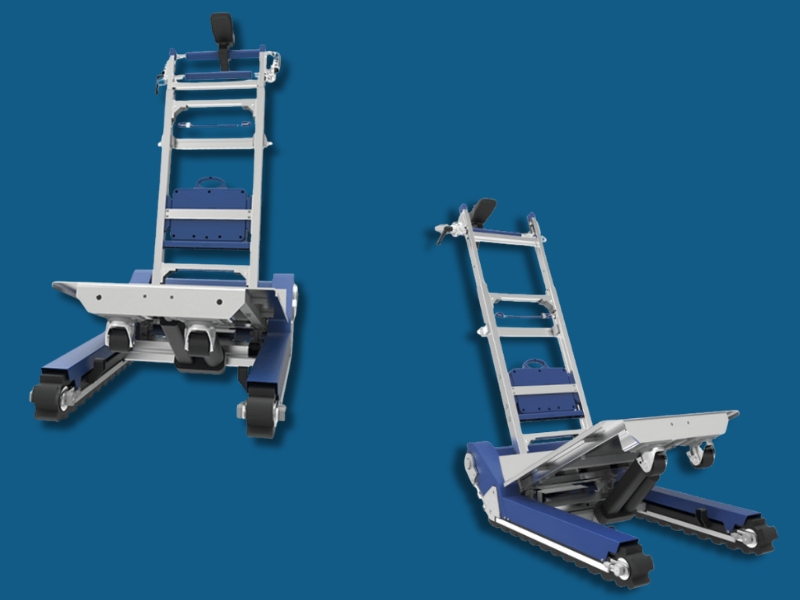
Hiring the right equipment can make or break your workplace safety record. When it comes to heavy lifting, hiring stair climber solutions is one of the smartest ways to reduce strain, boost efficiency, and protect your team. Yet, many Australian businesses still push through with manual methods, risking injury, downtime, and damaged goods.
Before rushing to rent machinery, it’s worth understanding the real challenges of moving items upstairs and the potential hazards that come with it. This guide unpacks those risks, explains why stair climbers are worth the investment, and shows you exactly what to check before you sign that hire agreement.
Why is moving heavy equipment upstairs such a challenge?
If you’ve ever tried getting heavy gear up a narrow stairwell, you’ll know it’s no walk in the park. The mix of weight, awkward angles, and uneven steps makes even simple moves risky.
- Uneven or slippery stairs can throw off balance fast.
- Bulky equipment limits vision and control.
- Manual handling often leads to tired workers and costly delays.
The trouble isn’t just the physical strain — it’s the ripple effect on productivity. One slip or muscle strain can cause serious downtime. It’s a bit like carrying a fridge through a laneway in the rain, possible, but not smart. For businesses handling large appliances, medical gear, or office furniture, hiring a stair climber can transform how work gets done. These machines distribute weight evenly, reduce fatigue, and protect goods from damage, saving both backs and budgets.
What risks come with lifting loads without proper machinery?
Manual lifting might seem cost-effective at first glance, but the risks quickly outweigh the savings.
- Repetitive strain injuries are among the top workplace claims in Australia.
- Without mechanical assistance, teams are prone to muscle tears, back injuries, and even fractures.
- Fatigue builds up fast, especially when stairs are steep or narrow.
Once workers push beyond safe limits, injuries pile up — and that’s when things really go pear-shaped. A single manual handling injury can mean compensation costs, insurance claims, and loss of skilled staff.
How much downtime can unsafe lifting cause in businesses?
When safety slips, productivity follows. Workplace injuries don’t just hurt workers — they hit operations hard. A strained back can take weeks to heal, meaning fewer hands on deck and mounting pressure on the rest of the team.
- Unplanned absences disrupt tight project timelines.
- Replacing or retraining injured workers drains resources.
- Damaged goods from mishandling can stall customer delivery.
The bigger issue is that these costs are avoidable. With proper risk assessments and workplace injury prevention programs, businesses can safeguard both staff and reputation. It’s better to spend a few minutes planning than months recovering from preventable accidents. Exploring ergonomic load handling techniques reinforces how small changes in process can dramatically cut down injury rates and downtime.
What should you check before you hire stair climber equipment?
Before signing any hire contract, a few checks will make sure the gear fits your workplace’s needs. Not all stair climbers are created equal, and the right choice depends on your load type, space, and team’s skills.
- Confirm weight capacity — it should exceed your heaviest expected load.
- Assess stair width and turning space to ensure safe manoeuvring.
- Review safety features like automatic brakes and balance sensors.
Think of it like hiring a ute: you wouldn’t grab the first one on the lot without checking the payload. Similarly, the right stair climber model can mean fewer injuries and smoother logistics.
Here’s a quick summary of what to inspect before hiring:
| Checkpoint | Why It Matters | Typical Oversight |
| Weight limit | Prevents overload and tipping | Ignoring max capacity |
| Stair size compatibility | Ensures proper clearance | Narrow stairwells overlooked |
| Safety certifications | Confirms compliance | Outdated labels |
| Maintenance history | Shows reliability | Skipping inspection |
| Operator training | Reduces misuse | Untrained staff use |
Can powered stair climbers make load handling safer?
Powered stair climbers are a game-changer for repetitive lifting jobs. By automating the hardest part, climbing and descending, they take the load off your team’s muscles and minds.
- Motorised treads improve stability and control.
- Battery operation means less noise and fewer fumes indoors.
- Adjustable speed gives precision when handling delicate items.
They also help meet compliance obligations under Australian workplace safety standards. Plus, because they reduce manual input, they minimise the chance of accidental drops or overexertion — a win for both safety and morale. The upfront hire cost might seem steeper, but the savings in injury prevention and downtime make powered models well worth considering for busy sites.
Final thoughts on choosing the right stair climber for your needs
Choosing the right equipment is more than ticking boxes — it’s about protecting your team and ensuring work gets done without a hitch. By taking the time to assess risks, train operators, and maintain machinery, you’ll keep your workplace running smoothly.
When in doubt, always seek guidance from Stair Climbers. Their experience helps ensure every hire is safe, compliant, and suited to your load type — so you can focus on getting the job done right.