
What Motorised Stair Climber Works Best for Your Space?
Why does getting gear up and down stairs still feel like a high-risk job? For many Aussies, it’s the part of the workday they dread most. Whether you’re shifting stock in a warehouse or helping someone move house, stairs turn an already challenging task into a real hazard. One misstep, and you’re staring down injury, damaged goods — or a full stop to the day. That’s where the motorised stair climber steps in. Designed to do the heavy lifting where trolleys fall short, these machines reduce risk while increasing efficiency. But here’s the catch: not every model suits every setup. You need a climber that fits your space, your load, and your crew. This guide breaks it down: the dangers of old-school handling, the hidden traps of outdated gear, and the innovative features that make modern climbers a must. Whether you’re fitting out a warehouse or making your home safer, we’ll help you size up the right solution for your stairs — without the guesswork.
Why is moving heavy loads on stairs unsafe without proper support?
Every tradie or removalist knows the risk — stairs are unforgiving. Without the right tools, hauling heavy loads can cause serious injury or damage. Here’s why proper support is critical:
- Back strain and joint injuries are common without ergonomic lifting gear
- Bulky loads reduce visibility, increasing fall risk
- Poor balance on stairs can damage both goods and infrastructure
- Fatigue leads to accidents, especially with repeat trips
Even when you’re using safe lifting practices, there’s only so much a human body can take before it gives in. Long-term wear and tear builds up quietly, and when it reaches a critical point, it can take you off the tools for good. You wouldn’t carry a fridge up a fire escape without backup — and that backup needs to be reliable, not makeshift.
What challenges do businesses face without a motorised stair climber?
Businesses dealing with multi-level premises often underestimate the complexity of vertical transport. Without the help of a motorised stair climber, teams are left relying on risky workarounds or sheer grunt. Common issues include:
- Staff fatigue, especially on long or repeated climbs
- Reduced output due to slow, cautious load movement
- Delays from equipment breakdown or safety incidents
- Risk of non-compliance with OH&S standards
It’s not just about moving stuff faster. A stair climber helps maintain efficiency, protects staff, and reduces long-term costs associated with injury claims or downtime. In a pinch, it can also keep operations ticking when lifts are out of order or unsuitable for specific loads. One solution? Durable motorised stair climbing equipment for challenging stairways. Choosing gear specifically designed for your industry avoids patchwork fixes and keeps work flowing smoothly.
Are manual stair climbers still a safe choice today?
Some businesses still use old-school manual climbers — and they’re not always up to scratch. Yes, they cost less upfront, but they can come with hidden risks that may not be worth the initial savings. Here’s what to consider:
- Manual devices often require two operators
- Poor handling under load can lead to structural or bodily damage
- Lack of power limits the capacity for heavier items
- Extra physical effort slows tasks and increases fatigue
In tight stairwells or older buildings, stair climbers without motors may struggle to cope. And when something goes wrong during a lift, there’s often no margin for error. These limitations have led many to question whether manual equipment remains suitable for its intended purpose.
How does a motorised stair climber improve workplace efficiency?
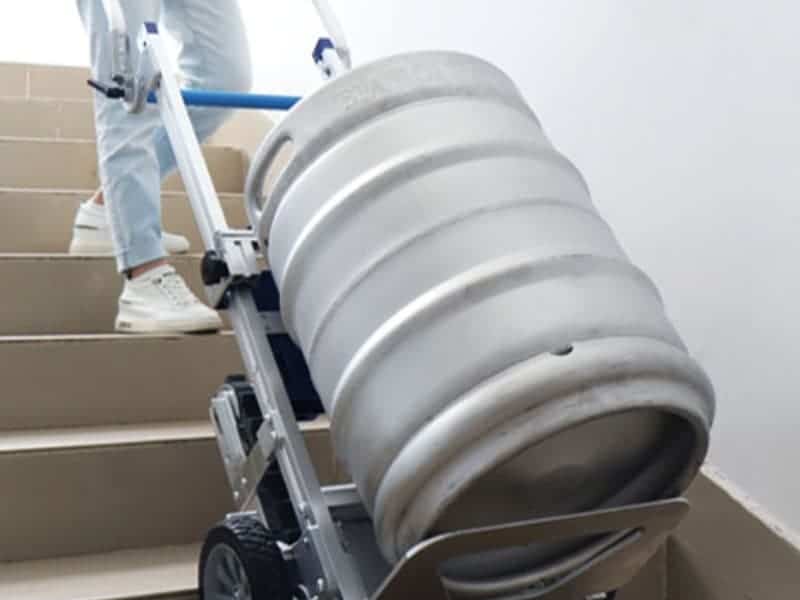
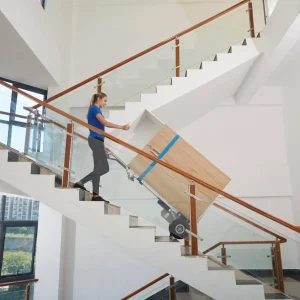
Modern businesses need gear that works hard without cutting corners. A motorised stair climber doesn’t just lift — it transforms how teams move. Here’s what makes them a wise choice:
- Single-operator use reduces staff cost
- Innovative braking systems increase safety on descent
- Faster load movement on all surfaces improves productivity
- Rechargeable batteries mean minimal downtime
If you’re choosing the right stair climber for compact spaces, a powered model makes all the difference. It’s not about fancy features — it’s about gear that lets you work smarter, not harder.
Which motorised stair climber features are most useful at home?
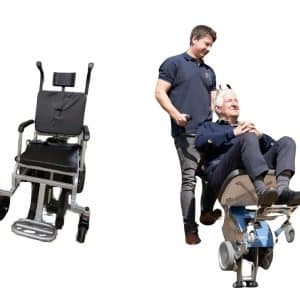
For households with mobility needs or multi-level layouts, residential stair climbers can improve daily life and safety. Top features to look for:
- Lightweight frames for easy storage, especially in homes with limited closet or garage space.
- Padded grips and user-friendly controls make the climber safe for elderly users or those with dexterity concerns.
- Quiet motors with smooth ascent to avoid disruption during early mornings or shared living arrangements.
- Compact design for narrow stairwells or heritage homes with awkward architecture and tight corners.
Noise, weight, and manoeuvrability matter more at home than they do in warehouses. Choosing based on user comfort — not just capacity — is the key to a model that suits residential living. Curious about home safety gear? You’ll find essential safety practices for handling hand trolleys equally applicable here.
Why should warehouses invest in a motorised stair climber?
Warehouses often operate on a tight timeline, with staff under pressure to move stock quickly and safely. Stair climbers aren’t a luxury here — they’re a core part of site safety. Here’s why:
- Carry more weight per trip, reducing the number of trips and the strain on workers’ bodies throughout a shift.
- Move fragile or irregular loads without tipping, thanks to stabilised platforms and load-secure strapping options.
- Avoid damage to stairs and stock, especially during busy periods when staff might rush or take shortcuts.
- Stay compliant with safety regulations, particularly when manual handling thresholds are exceeded or heavy loads are frequent.
You don’t want your team playing forklift on a staircase. Instead, investing in the right equipment now avoids significant costs later — in repairs, claims, or productivity loss. Want external backup? These safety guidelines for reducing falls on stairs are worth bookmarking for compliance reviews.
Standard stair climber features by use case:
Use Case | Ideal Features | Load Capacity | Key Advantage |
Office/Commercial | Foldable frame, silent motor | 120–150 kg | Low noise, professional look |
Residential | Lightweight, ergonomic handles | 80–100 kg | Easy to store and manoeuvre |
Industrial/Warehouse | Heavy-duty wheels, reinforced frame | 150–250 kg | Handles bulk stock safely |
Healthcare | Safety harness, stair sensors | 100–140 kg | Improves patient mobility |
Choosing safe stair climbing equipment
If there’s one takeaway, it’s this: your space dictates your stair climber. The right model improves safety, boosts efficiency, and reduces long-term strain. Don’t cut corners with outdated tools or guesswork — that’s where injuries and delays sneak in. Final thoughts? Ask Stair Climbers about tailored solutions for your business needs. Whether you’re in logistics, health, or home care, we’ll help you unlock stair climber benefits without the hassle.