
How Does a Lift for Stairs in a House Improve Elderly Living?
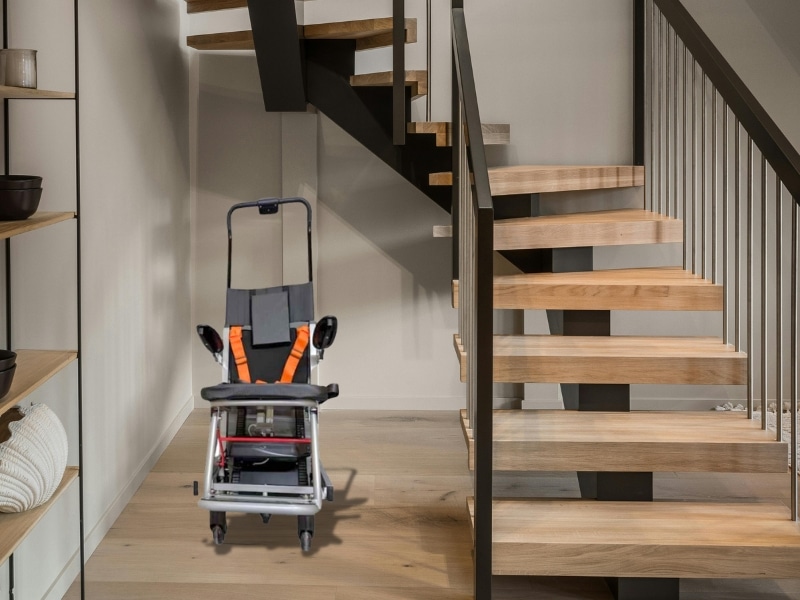
As people age, their homes can become more difficult to navigate, especially when stairs are involved. Even minor mobility challenges can make multi-level houses feel inaccessible, isolating elders from parts of their home. Installing a lift for stairs in house helps preserve dignity and ease of movement. More than convenience, it’s about confidence — the freedom to move without fear. This article explores how lifts can transform elder living spaces into safe, functional homes.
Why do many seniors struggle with home mobility?
Limited mobility isn’t only about physical capability — it often stems from home layouts that don’t support ageing. Elders face daily challenges navigating stairs, hallways and thresholds. When stairs become an obstacle, essential parts of the home may become off-limits. Here are the common causes of mobility struggles in domestic spaces:
- Narrow staircases and a lack of handrails hinder safe stair use for elders
- Declining vision and balance affect confidence when navigating multiple steps
- Heavy reliance on mobility aids makes stair navigation risky and difficult
- Steep or uneven stair designs increase fall risks and physical strain
Over time, these issues create frustration and reduce independence. Elder residents may avoid stairs altogether, leading to reduced quality of life. That’s why it’s helpful to understand what makes a stair lift safe and reliable at home, especially when considering new equipment or layout changes to improve mobility.
What challenges do multi-storey homes create for the elderly?
Multi-storey homes can turn minor health issues into major access problems for elders. From joint pain to fatigue, climbing stairs takes more effort than many realise. Even fit older adults may struggle over time. Here are the main hurdles multi-level homes create for older residents:
- Everyday activities are disrupted when bedrooms or bathrooms are upstairs
- Emergency exits may be harder to reach quickly, increasing health risks
- Frequent up-and-down movements can worsen arthritis and joint strain
- Delayed access to upper floors may cause stress and lower confidence
While some modifications offer stopgap relief, consistent stair use remains daunting. This is where a portable escalator for home use becomes a viable, safety-forward solution. It meets changing needs without requiring a total home redesign. And it helps elders feel in control again.
What risks come with delaying accessibility solutions for the lift for stairs in the house?
Waiting too long to make home adjustments can expose elders to long-term harm. The daily risk of navigating stairs doesn’t lessen with time — it grows. Avoidance, improvisation and dependence on others become the norm. Here are the risks associated with delaying home access upgrades:
- Emotional toll as elders feel isolated or burdensome to their family
- Possible relocation to aged care facilities due to home inaccessibility
- Increased reliance on carers, reducing the elders’ sense of independence
- Greater likelihood of falls or near-misses on indoor staircases
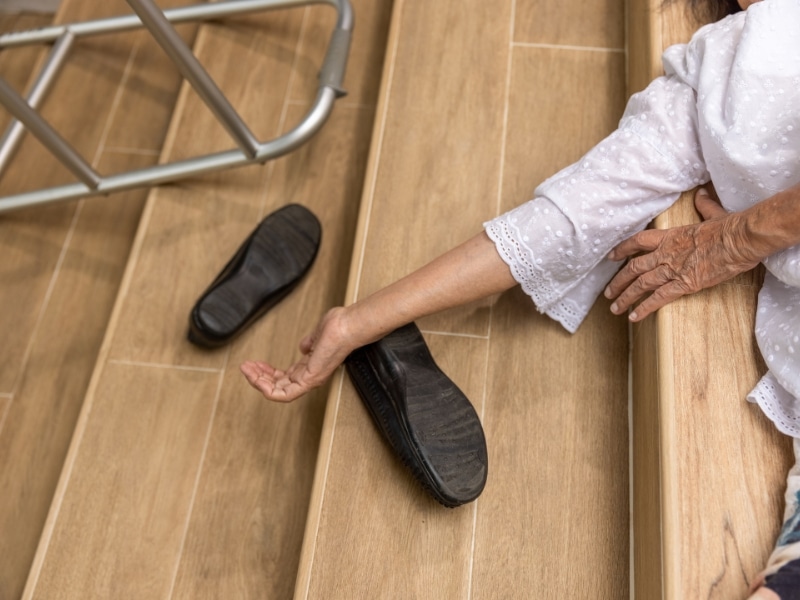
These outcomes can be avoided with early intervention. In fact, the benefits of stair climbers for people with limited mobility often extend beyond physical ease — they also restore independence and reduce emotional stress tied to inaccessibility.
How can a stair assist provide daily independence?
Independence at home means more than walking around freely — it’s the ability to manage your day without needing help. For elders, stair use often represents the difference between autonomy and dependence. Stair assists empower that autonomy. Here are the ways stair assist systems improve daily freedom:
- Allow elders to reach all floors independently, boosting self-confidence
- Reduce caregiver hours needed for stair assistance and supervision
- Encourage safe routines, like morning dressing or accessing upstairs baths
- Increase willingness to stay active and engaged at home
When installed properly, stair assists support both safety and self-sufficiency. They’re not about limitation — they’re about living better. If you’re considering solutions like these, be sure to understand the government guidelines on home mobility modifications to make an informed decision.
Why is a chair lift for steps a safe option for elders?
Not all solutions are created equal — but chair lifts are built for safety. With steady seating, seatbelts and user controls, they remove the dangers stairs pose. For elders, these features are not optional — they’re essential. Here are the key safety advantages of chair lifts:
- Secure harness and speed control keep users stable during operation
- Battery backups ensure lifts work even during power outages
- Foldaway design prevents trip hazards for other home users
- Simple controls make it easy for elders to operate confidently
Chair lifts allow elders to use their homes fully, with less fear and more comfort. They’re especially useful in unpredictable home layouts or older buildings. To learn more about choosing dependable systems, discover trusted mobility aids options tailored for elderly residents.
Table: Safety Features of Chair Lifts
| Feature | Purpose |
| Seatbelt | Secures user during movement |
| Armrests | Provides lateral stability |
| Obstruction stop | Prevents accidents on the stairs |
| Battery backup | Works during power loss |
How does a lift for stairs in a house for the elderly enhance safety?
Safety at home isn’t only about preventing injury — it’s about preserving peace of mind. Lifts for stairs do both. By removing risky stair navigation, elders can focus on living, not worrying. Here are ways these systems protect elder residents:
- Consistent, smooth rides prevent tripping and sudden movements
- Supportive seat and rails lower strain on knees and hips
- Obstruction sensors reduce the risk of object-related accidents
- Designed for daily use without assistance from others
Choosing the right model and installation type matters. That’s why some families try a basic stair lift for the elderly before upgrading to more advanced systems. The right setup makes a home both safer and more enjoyable.
Final thoughts on choosing a lift for stairs in the house
Choosing to install a stair lift isn’t about giving in — it’s about staying strong. For elders wanting to remain active and safe in their homes, it’s a practical decision with life-enhancing benefits. By reducing risks and increasing independence, these systems offer dignity and freedom on your terms. If you’re weighing your options or ready to act, discover how Stair Climbers can support safer mobility solutions.